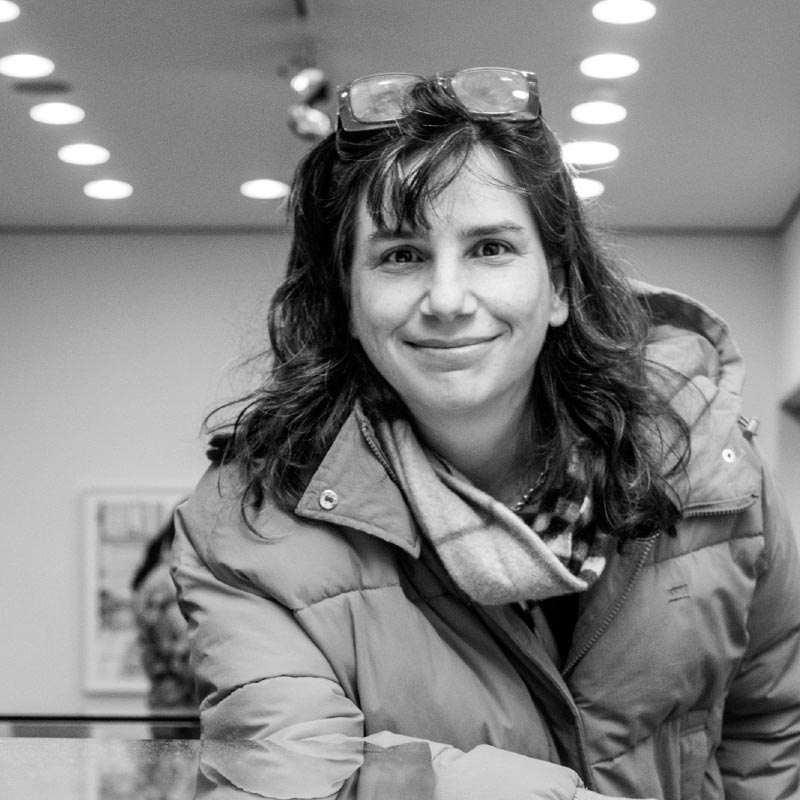
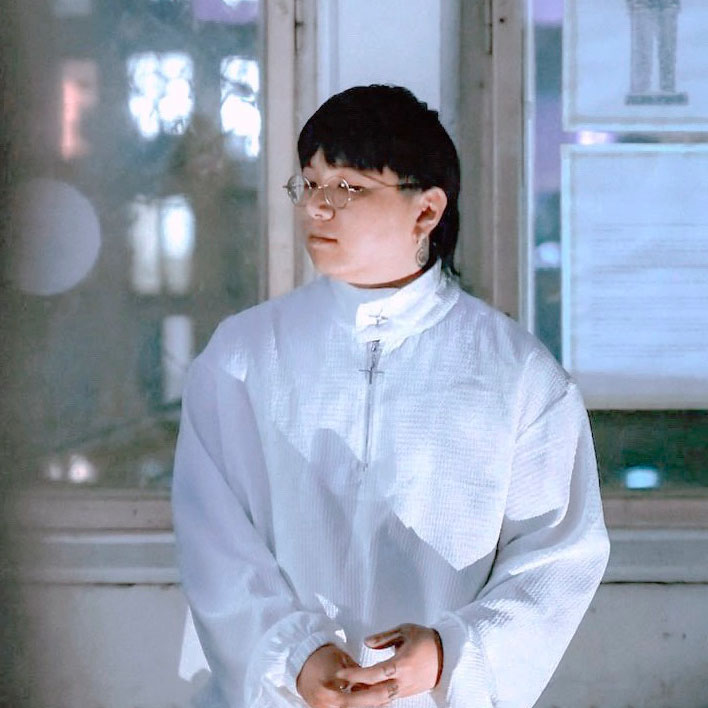
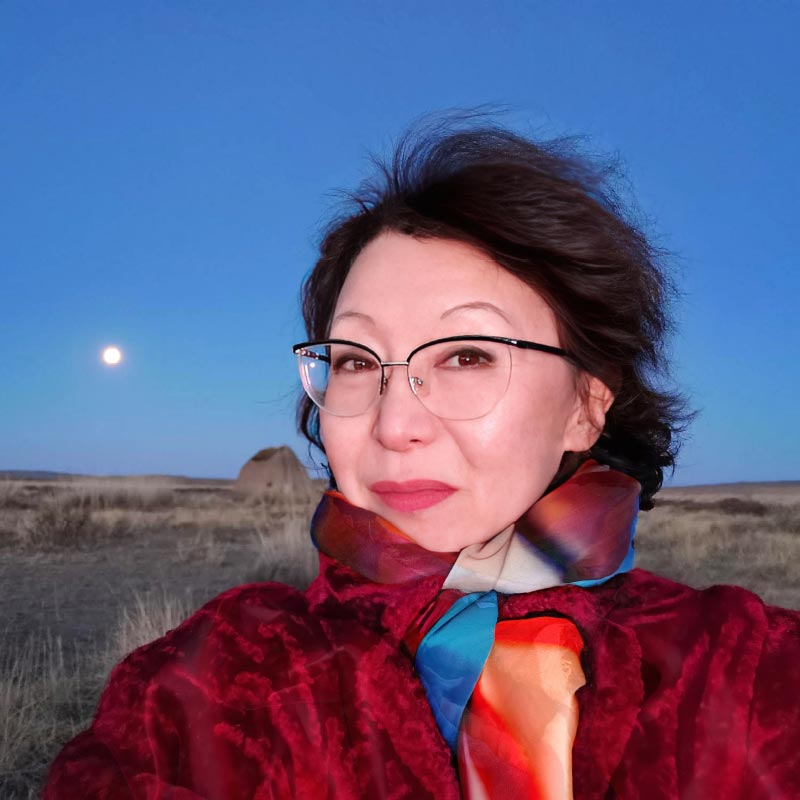

Multimedia artist Almagul Menlibayeva will mentor Poyuan Juan on this project. The final production will be unveiled at Savvy Contemporary in Berlin in February 2027.
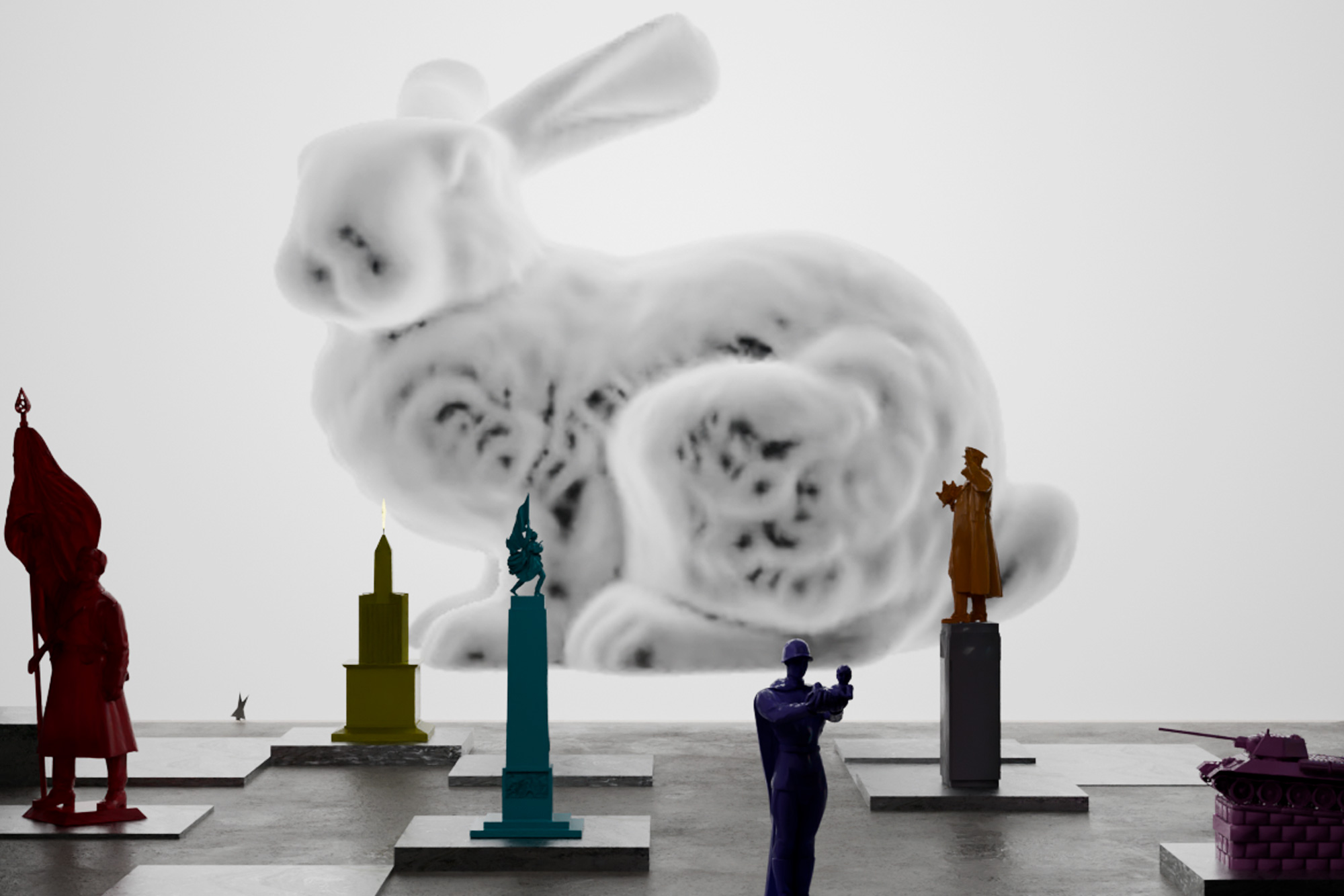
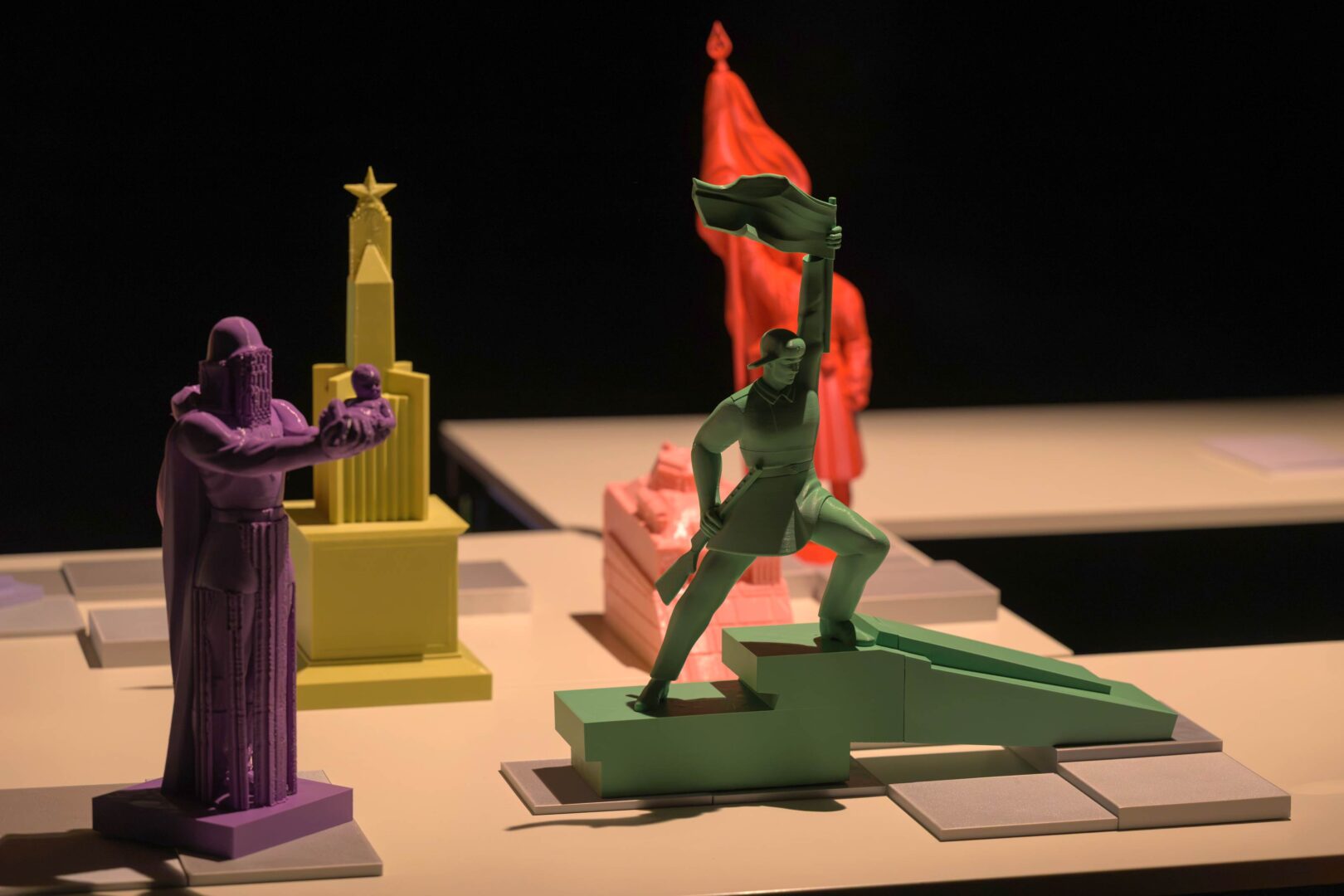
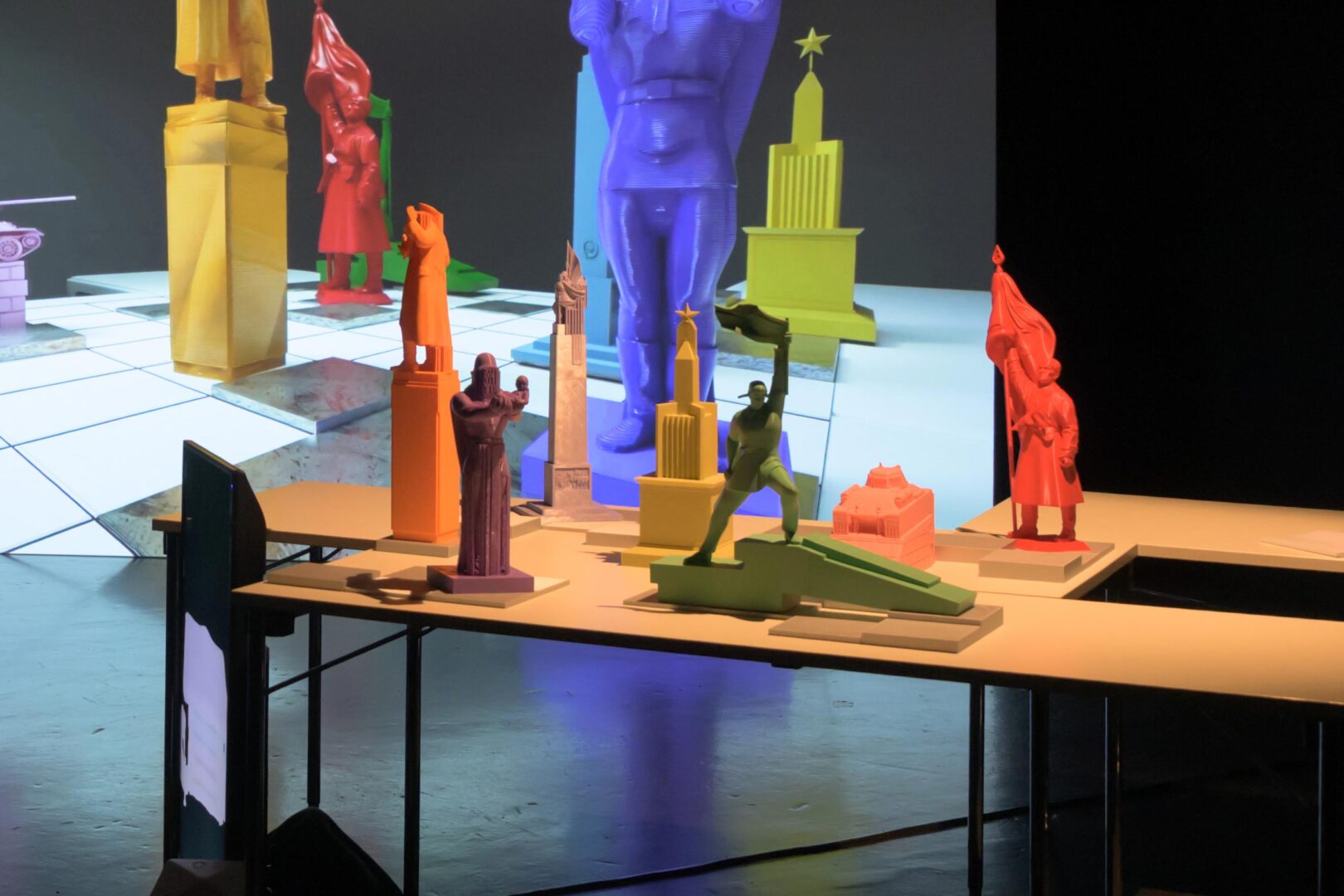
Menlibayeva said: “I find this work a compelling effort to rethink mythology, archives, and political memory within a changing historical moment. Poyuan Juan draws on an archive documenting monuments connected to state propaganda, preserved by those in power. Rather than simply examining or reproducing this material, the artist constructs a new narrative in which archival images, a Russian fairytale, digital modeling, 3D printing, and spatial sculpture converge to create a new system of meaning. Poyuan does not treat mythology as something confined to the past, but as a tool for understanding the present. The fairytale becomes a political metaphor for struggles over power, territory, ownership, and the right to shape the future. The artwork itself remains in a state of transformation, mirroring the shifting historical reality the artist seeks to understand. The work thus becomes more than the sum of its parts. It is a statement about the present moment—a time of shifting power and emerging orders, in which a new generation is striving to define its place and construct its own images and narratives.”